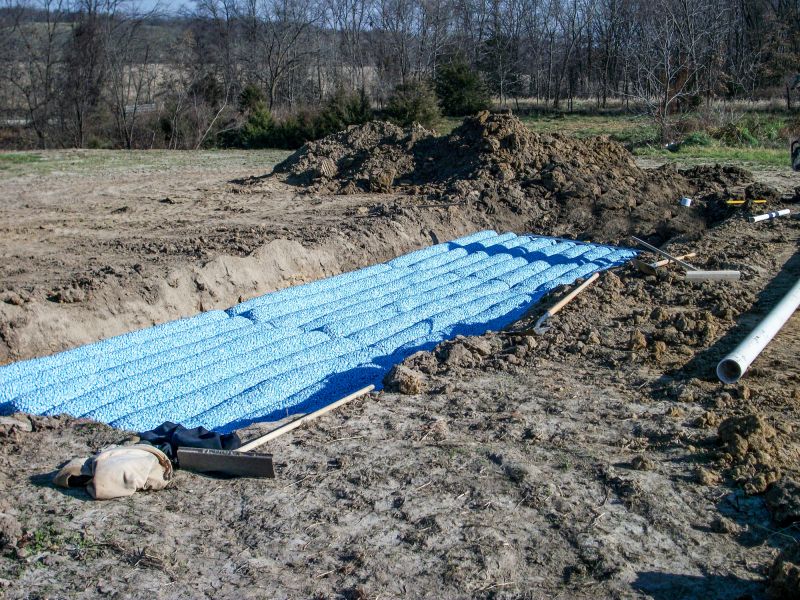
Septic Field Installation in Denver, CO
Septic field installation involves setting up a system that safely manages wastewater on a property where municipal sewer lines are not available. This service typically covers the placement of drain fields, which are underground areas designed to filter and disperse effluent from a septic tank. Homeowners often request this service when constructing a new property, replacing an old or failing system, or upgrading to a larger capacity to accommodate a growing household. Understanding the size of the property, soil conditions, and local regulations are important factors to consider before requesting installation.
Property owners should be aware that septic field installation requires careful planning to ensure proper drainage and environmental safety. It’s essential to evaluate the property’s soil type, drainage capacity, and space availability to determine the most suitable system design. Additionally, understanding local codes and permitting requirements can influence the project scope. Proper installation aims to provide a reliable, long-lasting solution for wastewater management, making it a key consideration for new construction or system replacement on residential properties.
Many property owners in Denver, CO look into Septic Field Installation for repairs, replacements, upgrades, and appearance-related improvements.
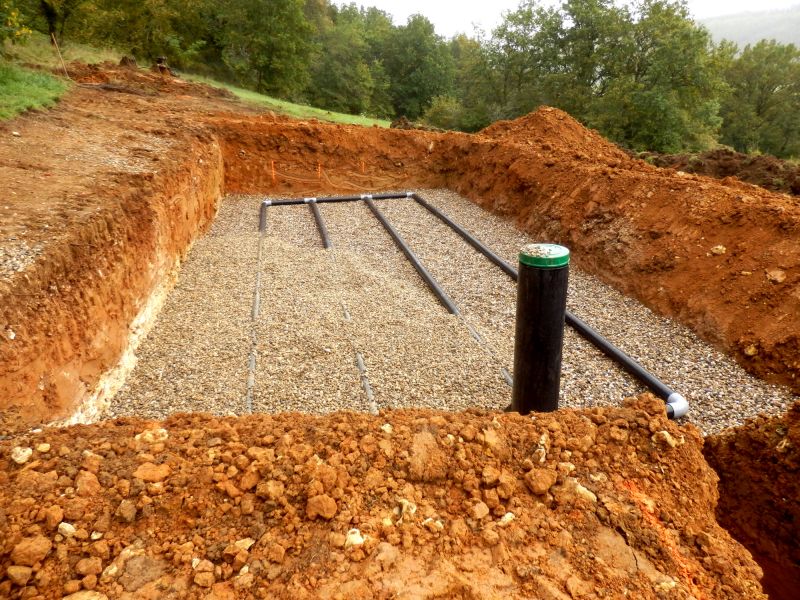
Septic Field Installation Services
Examples of septic field installation work property owners may explore in denver, co.
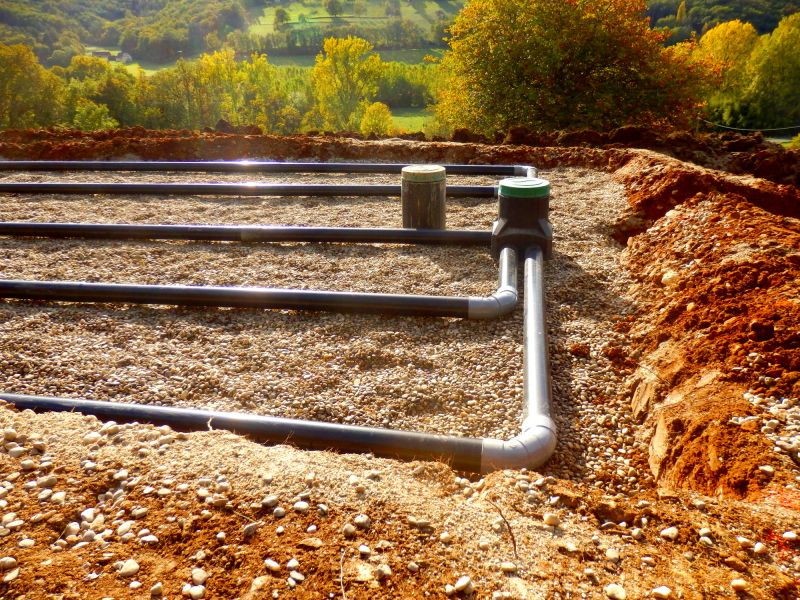
Septic Field Installation Updates
Common ways people refresh, improve, or restore septic field installation features in denver, co.
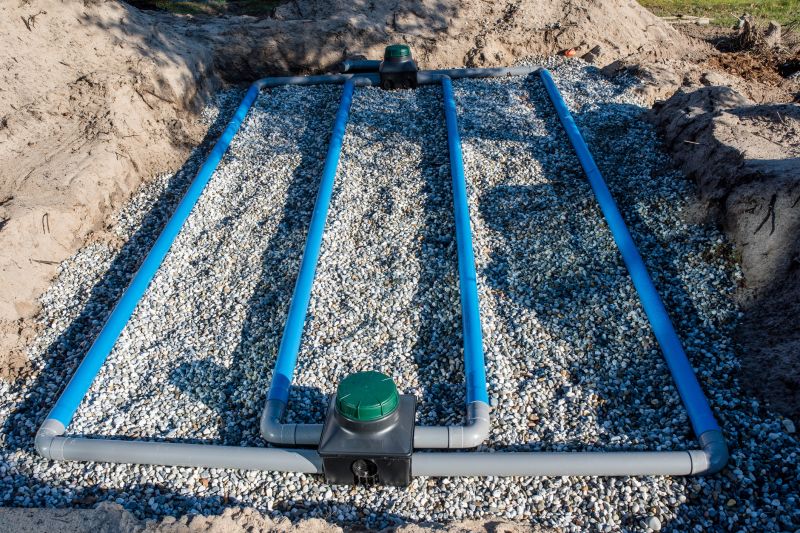
Septic Field Installation Options
Different styles, layouts, and finishes people consider for septic field installation in denver, co.
Septic Field Installation in Denver, CO

Septic field installation involves setting up a system that safely manages wastewater on a property where municipal sewer lines are not available. This service typically covers the placement of drain fields, which are underground areas designed to filter and disperse effluent from a septic tank. Homeowners often request this service when constructing a new property, replacing an old or failing system, or upgrading to a larger capacity to accommodate a growing household. Understanding the size of the property, soil conditions, and local regulations are important factors to consider before requesting installation.
Property owners should be aware that septic field installation requires careful planning to ensure proper drainage and environmental safety. It’s essential to evaluate the property’s soil type, drainage capacity, and space availability to determine the most suitable system design. Additionally, understanding local codes and permitting requirements can influence the project scope. Proper installation aims to provide a reliable, long-lasting solution for wastewater management, making it a key consideration for new construction or system replacement on residential properties.
Many property owners in Denver, CO look into Septic Field Installation for repairs, replacements, upgrades, and appearance-related improvements.
Common Septic Field Installation Jobs
Septic Field Installation - Proper installation ensures effective wastewater treatment for residential properties.
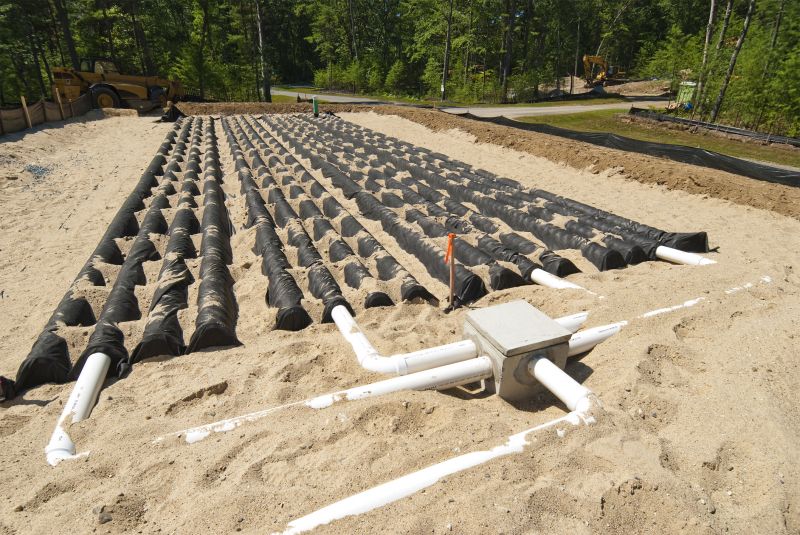
Leach Field Setup - Installing drainage fields to safely disperse effluent into the soil.
Drainage System Design - Custom designs tailored to property size and soil conditions.
Soil Evaluation - Assessing soil suitability to support septic system function.
Site Preparation - Clearing and grading land to prepare for septic system installation.
System Expansion - Adding or upgrading septic fields to accommodate property growth.

Septic Field Installation Questions
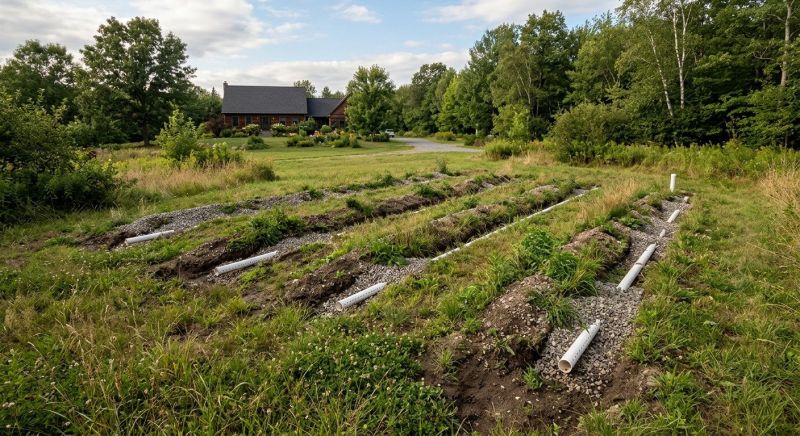
What is a septic field? A septic field is an underground system that treats and disperses wastewater from a property’s septic tank into the soil.
How is a septic field installed? Installation involves excavating trenches, placing pipes, and covering them with soil to create a drain field that safely manages wastewater.
What factors influence septic field size? The size depends on property size, household water usage, and soil conditions to ensure proper wastewater treatment.
What are signs a septic field needs replacement? Signs include slow drains, foul odors, or pooling water around the drain field area, indicating potential system failure.
Request Septic Field Installation in Denver, CO
Use the quote form on this page to share the basics of your project and request more information for the type of work you need.